
Condo Leak Detection Newark CA for Shared Walls
Condo and HOA leak detection in Newark, CA traces water that moves between units, through shared walls and ceilings. We test fixtures in each unit with permission, map moisture and document the true source, so owners, the HOA and insurers can settle who fixes what. Call (510) 229-3322.
This page is for unit owners, HOA boards, property managers and landlords. It also helps tenants who want a clear record of what happened before a dispute begins.
Leaks in multi unit buildings are rarely just a plumbing problem. They are also a question of access, responsibility and time. A clear, fair report from a neutral tester helps everyone move forward faster.
The first call is often the hardest. The unit that is damaged may not be the unit with the problem, and no one wants to feel blamed. We treat the visit as fact finding, not fault finding.
What Condo and HOA Leak Detection Includes
The visit is built around access and documentation.
Multi Unit Access Plan
We work with the manager or board to schedule entry and give residents notice, so no one is surprised.
Fixture by Fixture Testing
We test the shower, tub, sink and toilet in the unit above the stain, one at a time, with permission.
Moisture Maps of Both Units
Maps of the affected walls and ceilings show where water has traveled and where it began.
Common Line Checks
Shared risers, drains and irrigation lines are tested when the source is not in a single unit.
Photo Report for All Parties
The report includes photos, readings and the source, written for owners, the HOA and insurers.
Why Multi Unit Leaks Cause Disputes in Newark
Newark has added many townhomes and condos in recent years, with stacked bathrooms and shared plumbing. Leaks between units cause disputes that a clear report can settle.
- Stacked bathrooms: A small leak upstairs lands on the unit below.
- Shared walls: Water can travel inside a wall to the neighboring unit.
- Common lines: Risers and drains serve several units, and one failure affects many.
- Newer communities: Townhome and condo areas near NewPark, Bayside Newark and the Dumbarton area have close walls and long common lines.
- Older Fremont complexes: Some older buildings nearby have aging copper and cast iron.
Five Steps to Trace a Leak Between Units
- Call and describe the problem: Tell us about the stain, the building and who manages it. We give a price range and propose an access plan.
- Inspect and test the property: We meet the manager, test the unit above and map moisture in the affected unit.
- Pinpoint the exact spot: Common lines are checked, the source is marked and photographed.
- Review the report and quote: You receive a written report for all parties, with repair options and a firm price.
- Repair and clean up: Our licensed California plumbing team handles the fix when approved, and leaves the area tidy.
Situations We Handle
These cases come up again and again.
- A ceiling leak from unit above: Stains and drips from a neighbor's bath.
- A leak from upstairs neighbor: A leak from upstairs neighbor often starts at a tub, shower or supply line.
- Shared wall leaks: Water inside a wall between townhome units.
- Common area irrigation: Landscaping leaks that raise the association's water bill.
- Garage level leaks: Water that appears in parking areas under units.
What Residents Can Do When a Stain Appears
If you see a stain or drip, a few quick steps help everyone.
- Take photos with the date visible and note when you first saw the problem
- Tell your property manager or HOA in writing
- Put a bucket under any drip and protect belongings
- Do not open the ceiling or wall before the source is found
- Ask the neighbor above to hold off on using the shower or tub until the test
- Keep any receipts for cleanup or damaged items
These steps take minutes and make the report stronger.
Who Pays for a Leak in a Condo?
The answer depends on your HOA's CC&Rs and where the leak starts. In many communities, the HOA covers shared lines, while owners handle pipes inside their units. Rules differ, so check yours.
Our job is to document the source fairly. We do not give legal advice or take sides. We show where the water began, how it traveled and what is damaged, so the right people can decide who fixes what.
How Much Does Condo Leak Detection Cost in Newark?
Condo and HOA work is priced per unit or per visit, and we give a range by phone. Condo leak detection cost Newark owners and boards pay depends on how many units we test and how easy access is. A single stain with a clear source costs less than a building wide search, and we explain the numbers before we schedule.
| What Affects the Price | How It Changes the Number |
|---|---|
| Number of units tested | Each unit adds fixtures and time |
| Access arrangements | Locked or tenant occupied units add scheduling |
| Common line testing | Risers and drains take more equipment |
| Report needs | Detailed reports for insurers and boards take extra time |
After the Source Is Found: Who Fixes What
Once the source is documented, the CC&Rs decide who is responsible. We provide the facts. The HOA, the owners and the insurers decide the rest.
- If the source is a unit fixture: The unit owner and their insurer usually handle the repair.
- If the source is a common line: The HOA often handles it.
- If damage is in a neighbor's unit: Insurance, both the owner's HO6 policy and the association's master policy, may apply.
A condo leak report for insurance should list the source, the path and the damage. Ours does, with photos.
Condo Jobs Around Newark
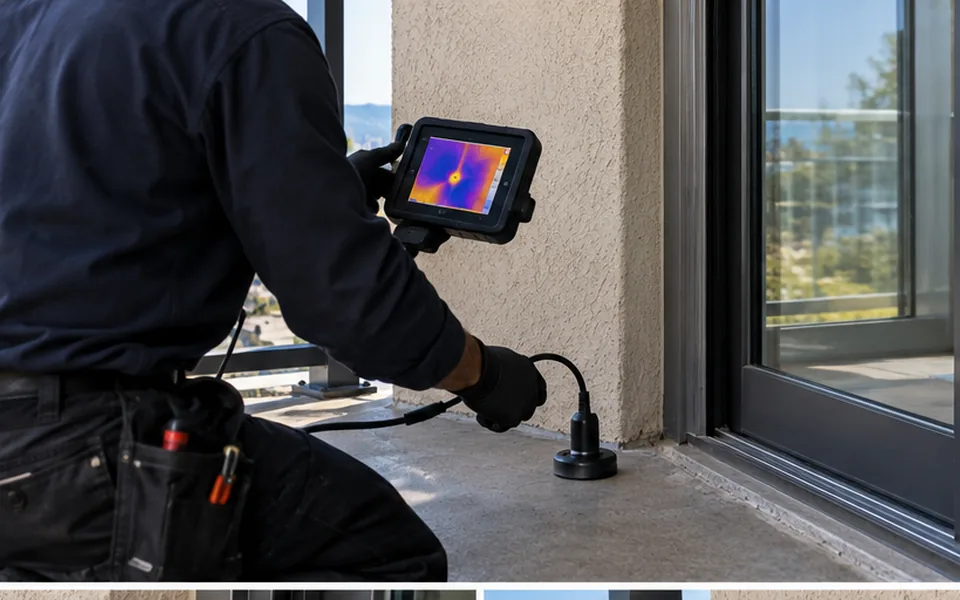
Recent jobs show the thermal image, the tested fixture and the clear report.
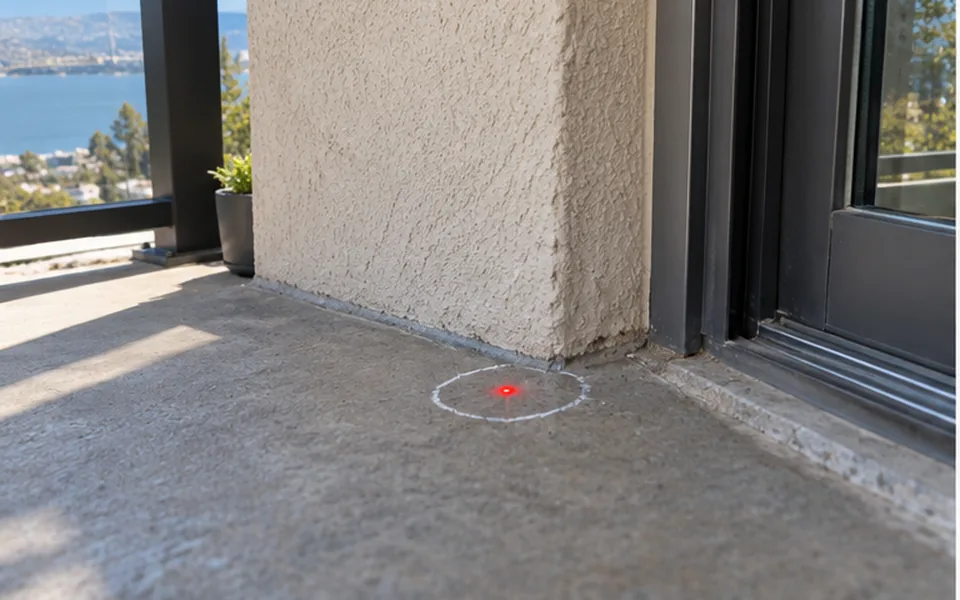 Before • Non-Invasive Pinpoint Mark
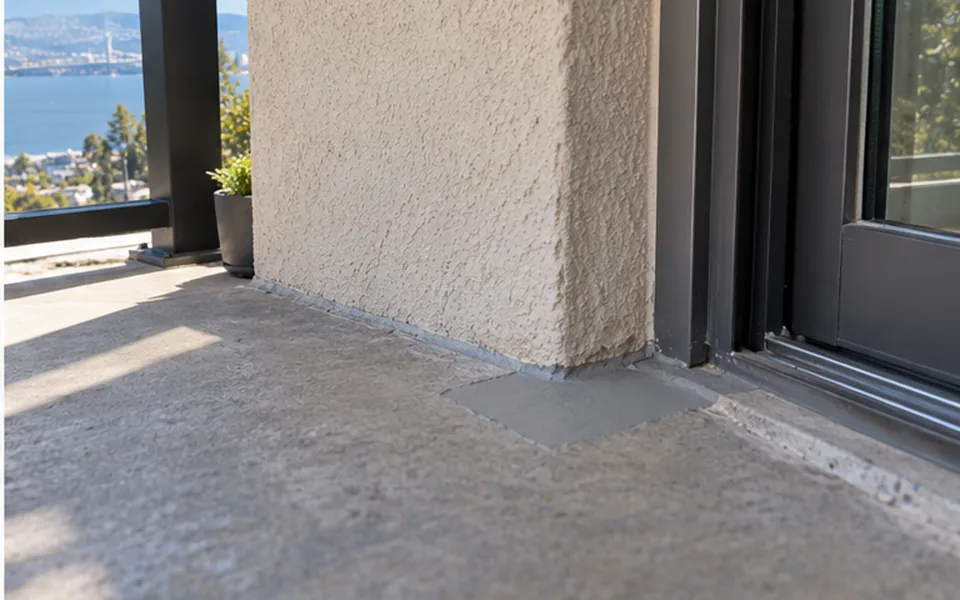 After • Verified Repair & Written Report
Respecting Residents During Testing
- Notice given before any entry
- Entry only with permission
- Floors and furniture protected
- Tests kept short and tidy
- Results shared with the manager and owners
Related Services for Multi Unit Properties
- Ceiling Leak Detection: Traces stains back to their sources.
- Commercial Leak Detection: Covers shared building systems.
Communities in Bayside Newark and Sanctuary Village and Fremont's Ardenwood call us often, and we offer HOA leak detection and apartment leak detection in Fremont, CA, Union City and Hayward.
Condo Leak Questions Answered
It depends on your HOA's CC&Rs and where the leak started. Our report shows the source with photos, which helps owners, the HOA and insurers sort it out.
Usually yes, to test the shower, tub and toilet above the stain. We set up the visit with the owner or property manager and only enter a unit with permission.
Yes. We schedule visits around residents, test several units in one trip when needed and send clear reports to property managers and HOA boards so repairs can be approved quickly.
Newark & Tri-City Dispatch Map — Condo, HOA and Apartment Leak Detection in Newark
Dispatching non-invasive leak detection technicians from 7395 Morton Ave, Newark, CA 94560 across Newark (94560), Fremont, Union City, Hayward, Milpitas, Menlo Park, and Castro Valley.